How to Choose a Jetski Impeller
When it comes to getting the most out of your PWC, few components make as much of a difference as the impeller, and more specifically, its pitch. At Worx Racing, we live and breathe performance, and helping riders understand how pitch affects their ski is a big part of what we do.
What is impeller pitch?
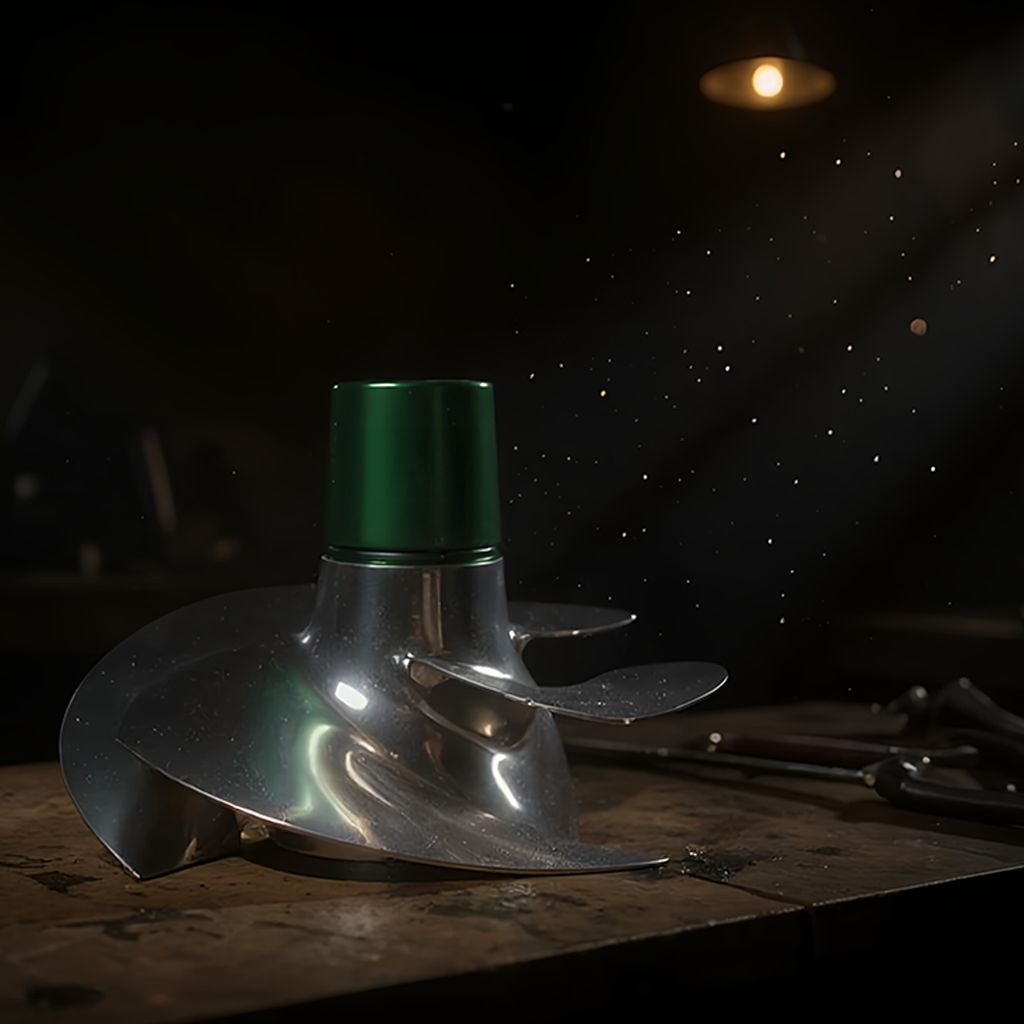
Think of impeller pitch like the gears in your car. It's the angle or curve of the blades on your impeller, and it determines how far your ski moves forward with each rotation. It's measured in degrees, and even a slight change can noticeably affect acceleration, hook-up, and top speed.
A lower pitch (say, 10/18) lets your ski rev higher more quickly, giving you explosive holeshot and quicker acceleration. A higher pitch (say, 12/20) provides more resistance, which can reduce RPM but deliver better top-end speed.
How does impeller pitch affect engine RPM?
Your impeller plays a huge role in how your engine revs. A lower pitch impeller lets the engine spin faster under load, making it easier to reach and hold peak RPM, great for acceleration and holeshot, especially paired with performance tunes or bolt-on upgrades.
A higher pitch impeller puts more load on the pump, which can reduce engine RPM. That can help with fuel efficiency and top speed in the right conditions, but it may bog the ski down if the engine isn't producing enough power to turn it effectively.
This is why pitch has to match your setup. A high-pitch impeller on a stock ski might mean you never hit your optimal RPM range. Go too low on pitch with a high-powered setup and you could hit the limiter too early, leaving speed on the table. It's all about matching pitch to power, and that's where the right tuning and testing comes in.
Are Solas impellers better than stock?
OEM impellers do the job, but Solas impellers are in a different league for serious performance:
- Stronger materials, precision-cast stainless steel is far more durable and resistant to cavitation and damage than the plastic, cast aluminum, or composite blades used in most stock impellers.
- Performance-driven design, optimized blade geometry and tighter tolerances mean better hook-up, quicker acceleration, and improved fuel efficiency.
- More options, more control, a wide range of pitches to suit your riding style and modifications, whether you're racing or riding recreationally.
- Built to handle mods, stock impellers often struggle once you start adding power. Solas impellers are designed to keep up, especially paired with an ECU tune or intake grate.
If you're serious about performance, a Solas impeller is a no-brainer upgrade over stock.
Why does custom pitching matter?
No two skis are the same. Fuel load, rider weight, modifications like tunes or exhaust, and even water conditions all influence how your ski reacts. That's why testing and fine-tuning pitch is often necessary, it's not uncommon for riders to have an impeller re-pitched slightly to suit their setup.
We recommend working with a trusted jetski mechanic or performance shop to get this right. Installing the right impeller is one thing, but dialing in the pitch to match your exact ski and riding style is where the real gains come from.
Final thoughts
Getting impeller pitch right is one of the simplest ways to unlock more performance from your PWC, and one of the most overlooked. Browse our full range of Solas impellers, or get in touch if you want help matching pitch to your setup.